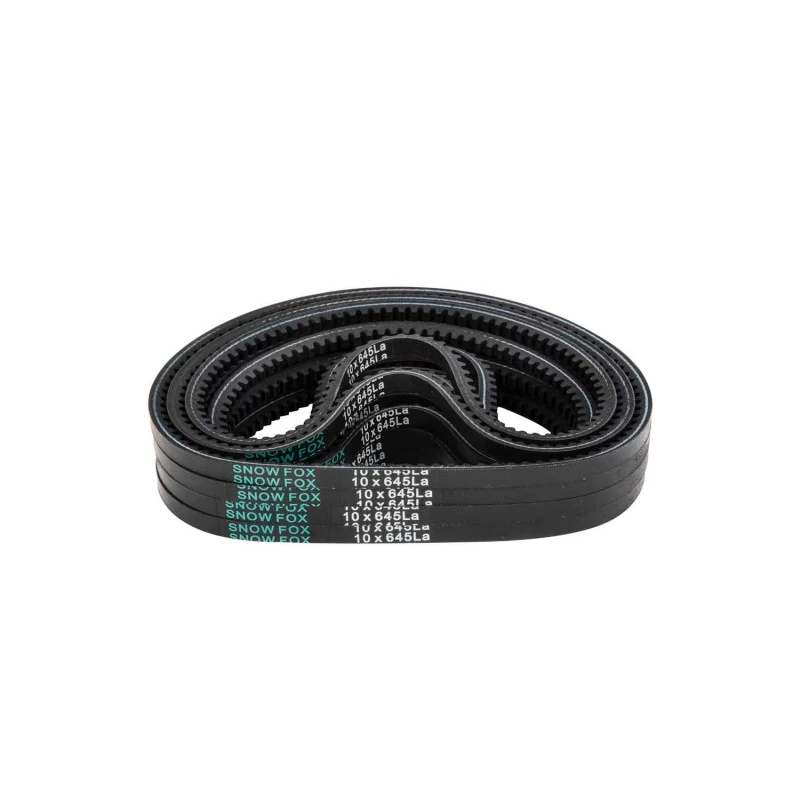
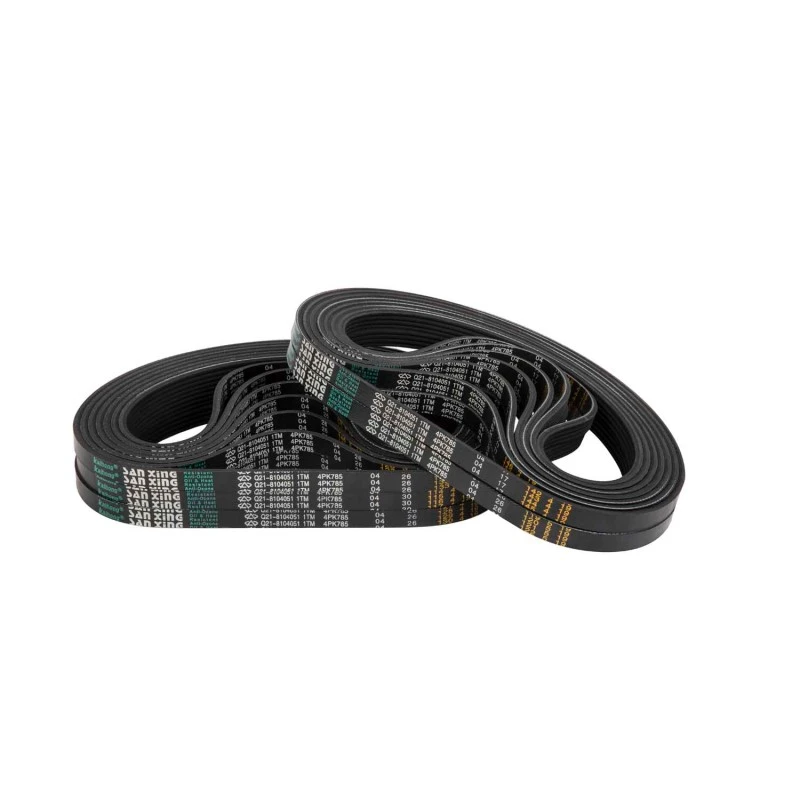
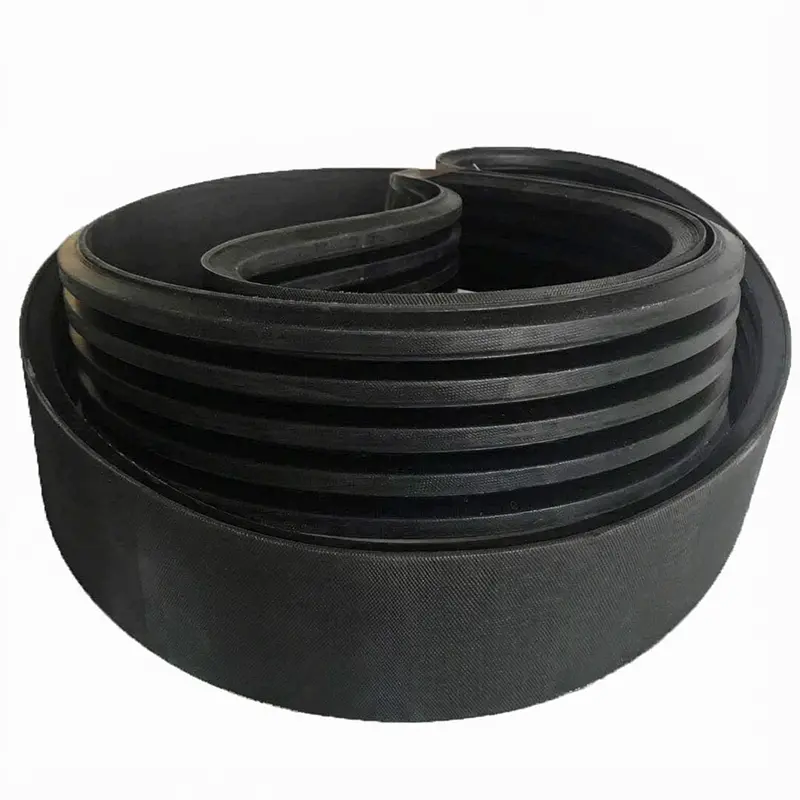
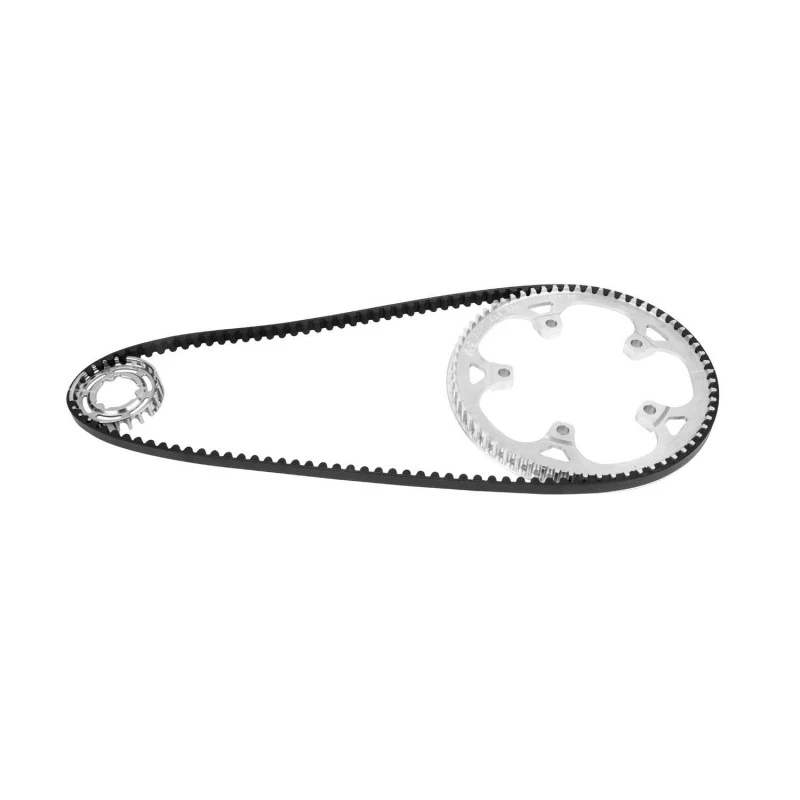
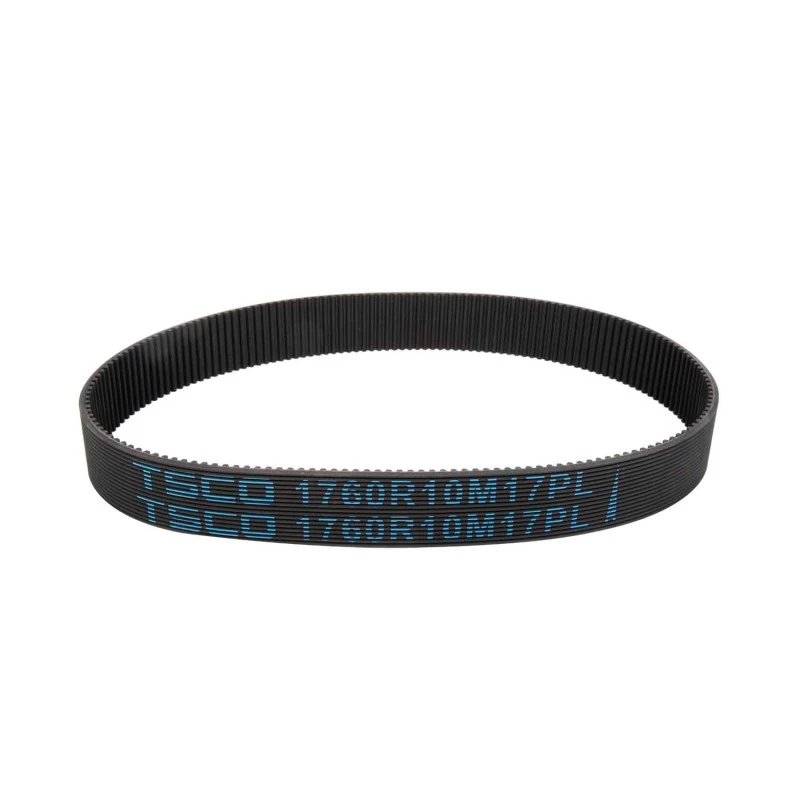
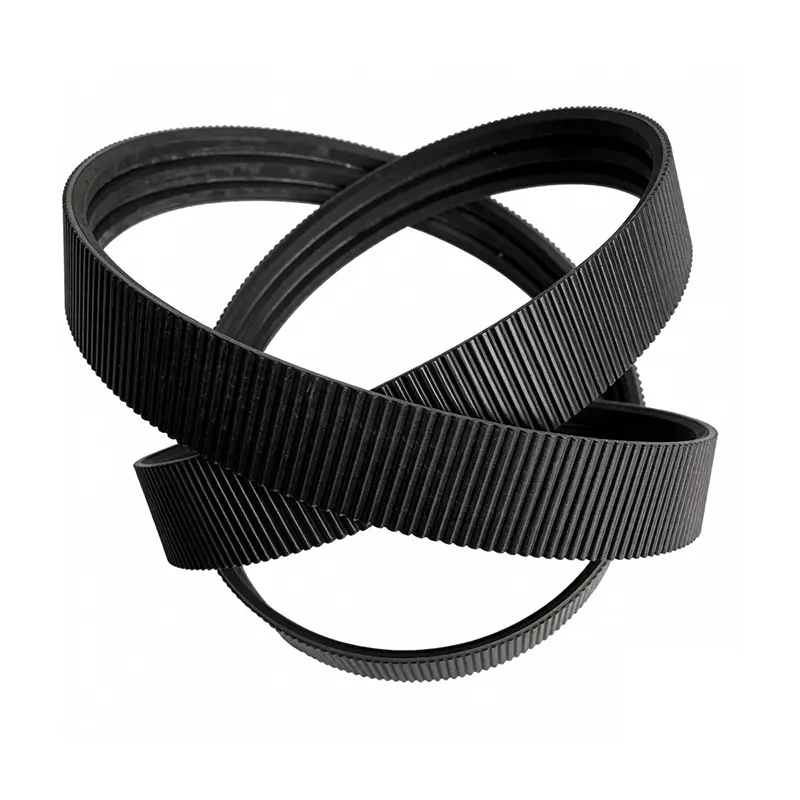
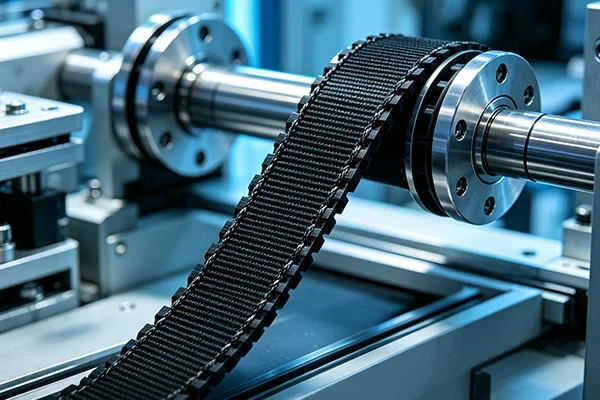
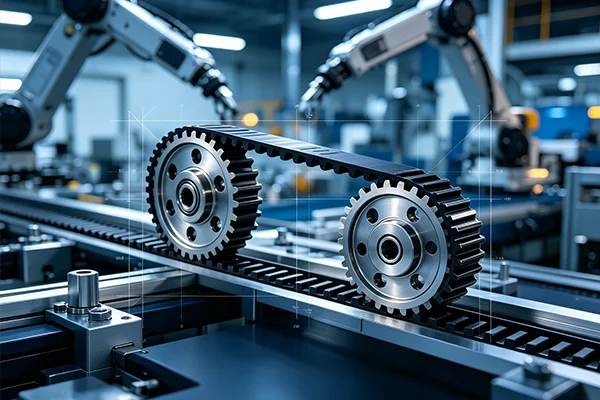
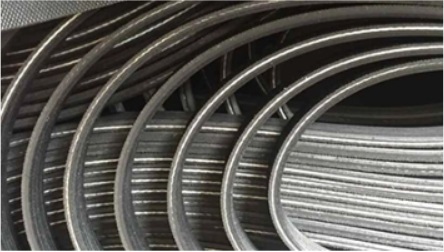
Мировой рынок ремней ГРМ в 2026 году вступит в новый цикл роста, обусловленный быстрым развитием интеллектуального производства, новых энергетических транспортных средств и прецизионного оборудования для автоматизации. В качестве основного компонента синхронной передачи,ремни ГРМшироко используются в системах газораспределения автомобильных двигателей, роботизированных приводах, прецизионных станках и автоматизированных производственных линиях, занимая ключевое положение в цепочке промышленной передачи.
Что такое ремень ГРМ?
Принцип работы и основные характеристики
A ремень ГРМ is a toothed synchronous transmission belt that realizes zero-slip power transmission through precise meshing with timing pulleys, ensuring accurate synchronous operation of mechanical components. Different from friction-driven transmission belts, timing belts feature precise positioning, stable transmission, and no sliding deviation, which is irreplaceable in high-precision mechanical control scenarios.
Основные материалы и условия труда
At present, mainstream timing belt products on the market cover neoprene rubber, polyurethane, and carbon fiber reinforced materials, adapting to low-speed heavy-load, high-speed precision, and extreme environment working conditions respectively.
Технологические обновления и инновационные продукты
In recent years, with the upgrading of new energy vehicle thermal management systems and industrial intelligent production lines, the performance requirements for timing belt products have been continuously improved. Leading manufacturers have launched PFAS-free environmentally friendly timing belts, high-temperature resistant timing belts, and smart monitoring timing belts with built-in sensors, realizing breakthroughs in environmental protection performance, extreme weather adaptability, and predictive maintenance functions. The innovative upgrade of timing belt technology effectively reduces equipment downtime and improves the overall operational efficiency of industrial production lines.
Перспективы рынка
Market data shows that the global timing belt market size will exceed USD 7.5 billion in 2026, and will maintain a stable growth trend in the next five years. With the continuous deepening of industrial automation and the rapid iteration of new energy vehicle technology, high-precision, long-life, and intelligent timing belt products will become the mainstream of the market, driving the continuous upgrading of the global power transmission industry.
Мы используем файлы cookie, чтобы предложить вам лучший опыт просмотра, анализировать трафик сайта и персонализировать контент. Используя этот сайт, вы соглашаетесь на использование нами файлов cookie. политика конфиденциальности